If you are deciding which ticket to chase, the distinction that matters is not how much singing there will be. It is what the event was built to accomplish, and who is paying for it.
What each event exists to do
A comeback showcase (쇼케이스, syokeiseu) exists to launch a release. It is scheduled on or around the release day, and its job is to put the title track in front of an audience and a set of cameras for the first time. A debut showcase does the same work for a new artist.
A fan meeting (팬미팅, paenmiting) exists to service the fandom. It does not need a release to justify it, and is often tied to an anniversary, a season or the end of a promotion cycle. The programme is built around interaction rather than around a product.
Who is actually running it
This is the difference most guides skip, and it explains almost everything else.
A showcase is a promotional event run by the label’s marketing side. Its budget sits inside the release campaign, its audience includes press and industry, and its success is measured in coverage and chart performance. Attendance is often free but allocated by raffle rather than sold.
A fan meeting is a live product. It is planned by the label’s concert or business division, frequently with an external promoter and a venue booking, and it is sold. That is why fan meetings have seat maps, price tiers and refund policies, and showcases usually do not.
On stage: length and content
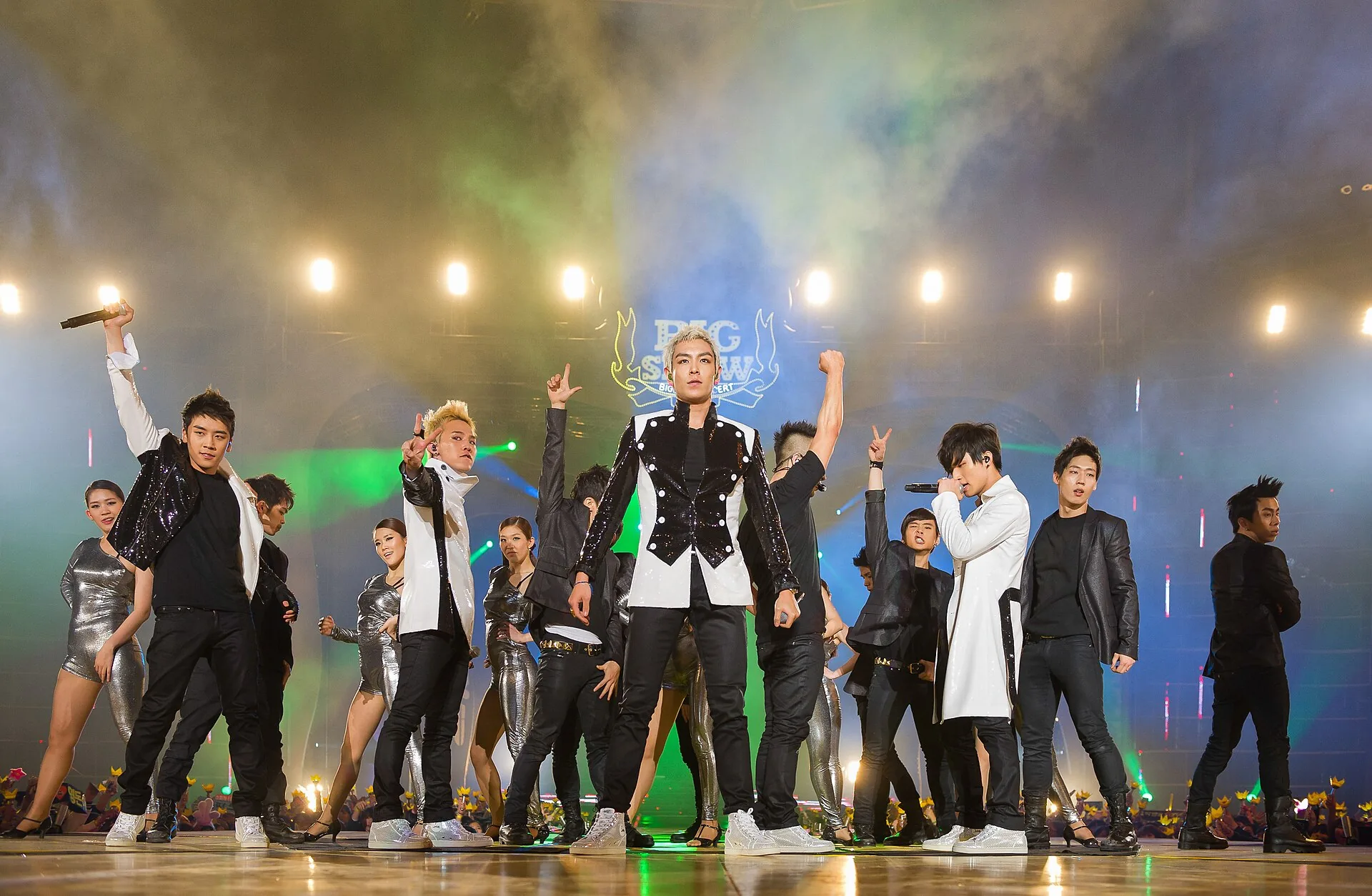
A showcase is short. Expect roughly the length of a press event with performances attached: an introduction to the album, the first stage for the title track, sometimes a B-side, and a talk segment covering the concept and the making of the record. Questions may come from a host or from accredited media rather than from fans.
A fan meeting runs closer to a concert in length and is structured in corners: talk, games, video packages, fan-submitted questions or letters, and special stages, with performance interleaved rather than continuous.
Between the two sits the fan concert (팬콘서트 or 팬콘, paenkon). Elle Korea describes it as a hybrid form that combines a concert and a fan meeting, running live stages with fan-meeting-style talk and game corners inserted between them to keep the atmosphere intimate. Groups choose the format deliberately when a straight concert would feel too distant and a fan meeting too small.
Tickets, raffles and fan-club priority
The routes differ, and the official notice is the only authority.
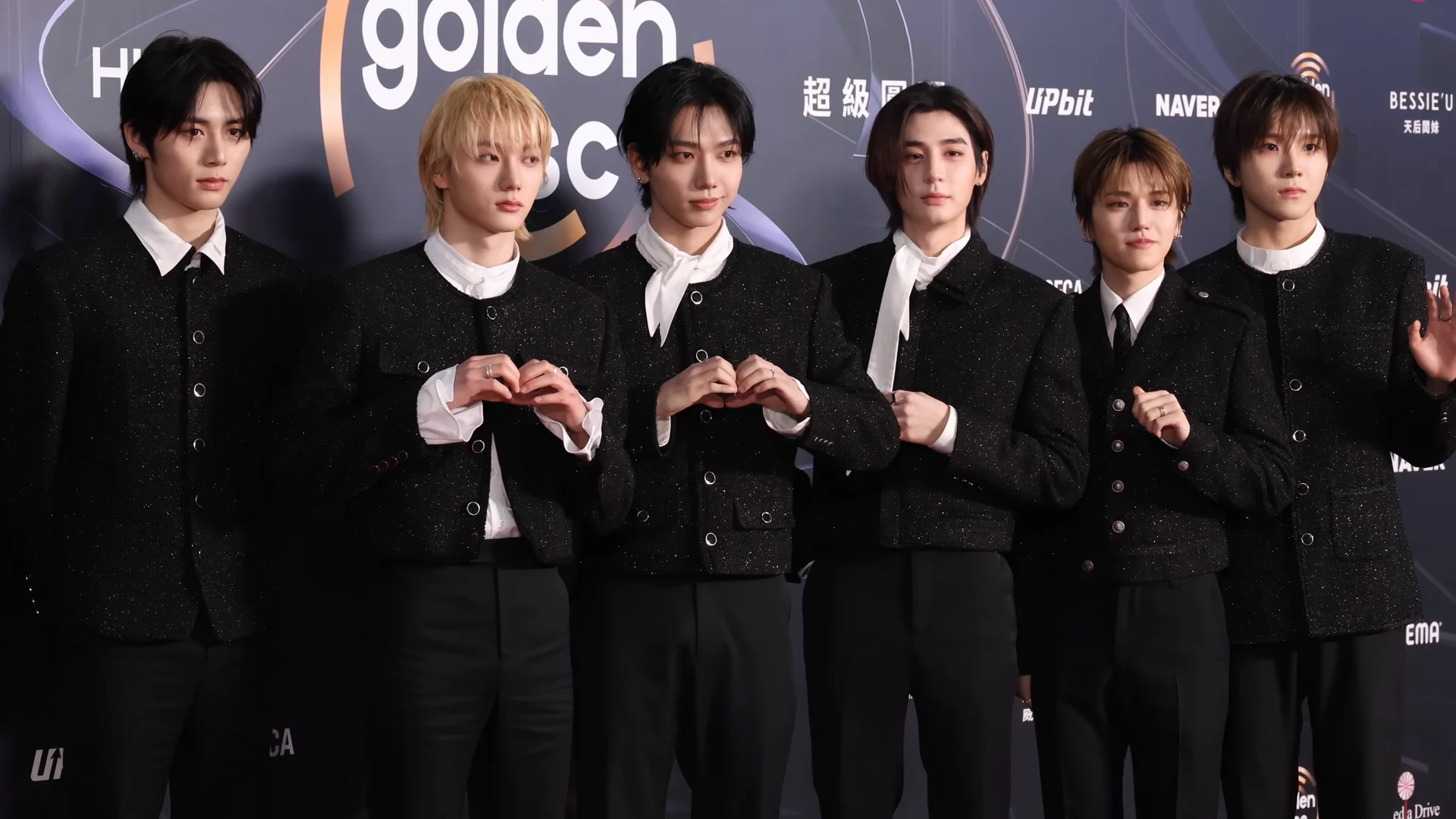
TXT’s 2026 comeback showcase notice describes a raffle structure with two separate entry rounds — one for MOA membership holders in early March, a second for people who bought the album through the Weverse Shop global store later that month — for an event at Korea University’s Hwajeong Tiger Dome. It also states that details of the online streaming platform would be announced later. Note what that means in practice: buying an album is not automatic entry, and a streaming plan may not exist yet when the event is first announced.
ITZY’s 2026 fan meeting notice at Olympic Hall shows the sold-ticket pattern instead: a fan-club verification window, then a Korean-page presale, then a global-page presale, then a general on-sale, with tickets at 88,000 KRW for fan-club members and 110,000 KRW general, reserved seating. The presale limit was one ticket per person per show, with the general sale capped at two per show including any presale purchase.
Two details in that notice generalise well. First, fan-club priority is a verification process, not a discount code — names must match across the fan platform and the ticketing agent, and the window to verify closes before the presale opens. Second, tickets must be in the name of the person attending. Korean venues do check.
Cameras, gifts and what you can carry
Rules are set per event and printed in the notice, so treat these as things to look up rather than assume. In general, showcases restrict audience photography more tightly because press hold the image rights for the day, while fan meetings often permit personal cameras with lens-length limits. Gift and letter policies vary by agency and have tightened at many labels. Official light sticks are usually welcome; commercial or homemade banners frequently are not.
Reading the Korean title
The event name tells you most of what you need before you translate anything else.
- 쇼케이스 — showcase. Tied to a release.
- 팬미팅 — fan meeting. Interaction-led, usually ticketed.
- 팬콘 / 팬콘서트 — fan concert. Concert length, fan-meeting segments.
- 팬사인회 — fan sign. A signing event, normally allocated by lottery among album purchasers, with brief one-to-one contact and little or no performance.
Before you book
Get four things from the official notice: the running time, the admission mechanism (sale or raffle) with its exact dates, whether a membership tier is required and by when, and the ID rules at the door. Then book travel. The label on the event predicts its purpose reliably. It guarantees nothing about setlist, length or how you get in.