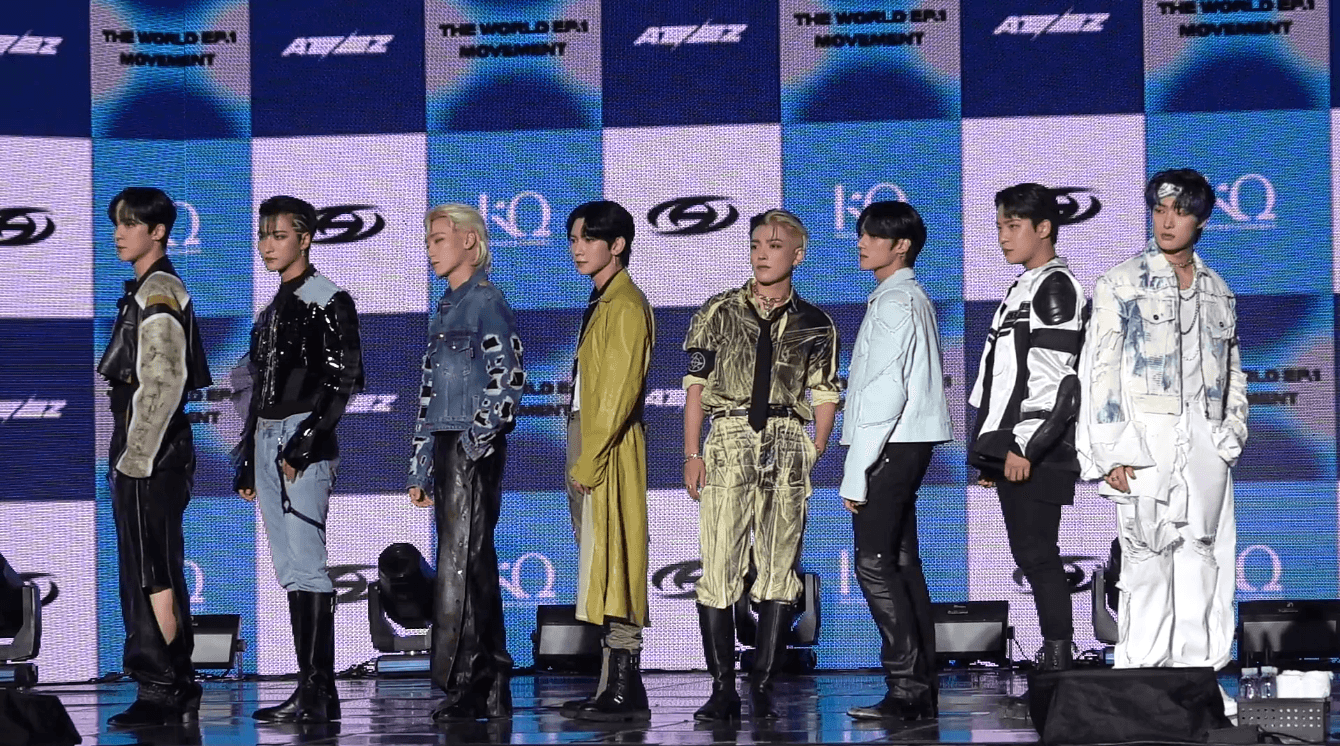
Jamsil Indoor Stadium is at 25 Olympic-ro, Songpa-gu, Seoul, and its Korean name is 잠실실내체육관. Save the Korean name rather than the English one. That address belongs to the entire Jamsil Sports Complex, which the Korea Tourism Organization describes as a main stadium, a baseball stadium, an indoor stadium, a students’ gymnasium, an indoor swimming pool and auxiliary grounds. A pin dropped on “Jamsil” can leave you the better part of a kilometre from your door.
Almost nothing here is hard to find. The difficulty is timing, so this guide is organised around the clock rather than the map.
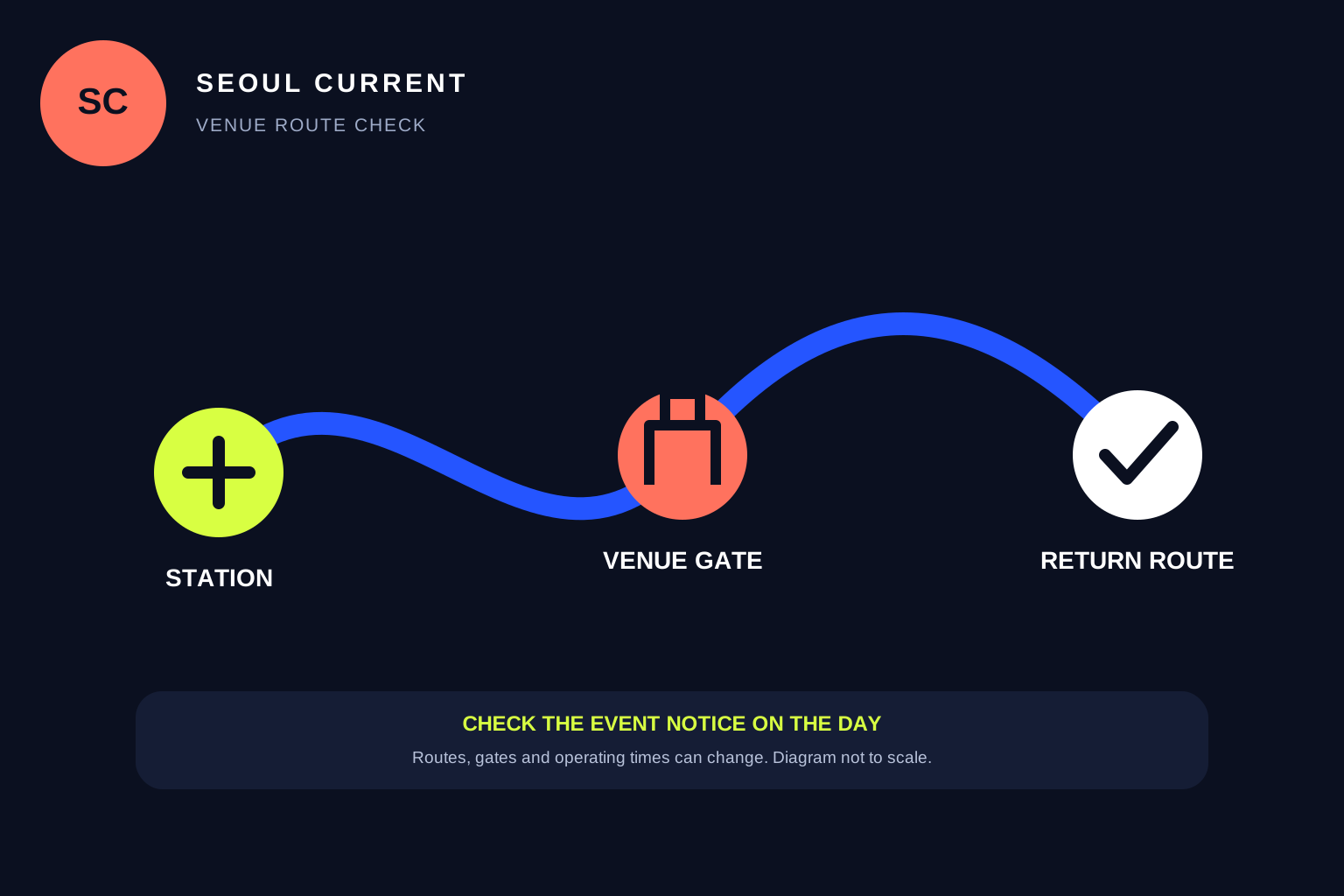
Original Seoul Current route checklist. Diagram not to scale; verify the event notice on the day.
An arena from 1979, and what its age costs you
Seoul’s facility page dates the building precisely. Construction began in December 1976 and finished on 18 April 1979. It has one basement and two above-ground floors, a competition floor of 7,098 square metres and 20,096 square metres of built area under a stepped roof. It hosted basketball and volleyball at the 1988 Seoul Olympics and is now the home court of the Seoul Samsung Thunders in the KBL.
The age is the practical point. A hall from 1979 has narrower concourses, fewer stairwells and a lower ratio of toilets to seats than anything built recently. It empties more slowly than its headline capacity implies. If you intend to buy anything inside or use a bathroom, do it well before the lights go down.
The capacity figures do not agree, and that is useful to know
Seoul’s page lists 11,032 total seats — 1,000 at floor level, 4,273 on the second level including press positions, and 5,759 on the third — while separately saying the venue can hold 13,000 people at once. English reference works give 11,069 for basketball. Commercial event listings quote figures as high as 13,595 seats and “up to 20,000.”
None of those is your show’s number. Concert capacity here is not a property of the building: it depends on where the stage goes, how much of the lower bowl is retracted or curtained off, and how many seats production removes for equipment. Read the spread as a warning. A show selling near the top of that range behaves very differently in the queue from one selling near the bottom.
Which station exit is actually nearer
Sports Complex Station is served by Line 2 and Line 9, but the two do not put you in the same place. Seoul’s directions page gives distances by exit:
- Line 2, exits 6 and 7 — roughly 600 m to the Olympic main stadium, roughly 700 m to the indoor stadium.
- Line 9, exit 9 — roughly 1,000 m to the main stadium, roughly 600 m to the indoor stadium.
The Line 9 exit is therefore the closer one for this venue — the reverse of what most fan posts assume. Line 2 has served the station since 1980; Line 9 only arrived in 2015, which is why it is missing from a lot of secondhand advice.
Buses reach the complex in volume. Seoul’s page lists green routes including 2415, 3217 and 4319, blue routes including 301, 333, 350 and the N13 night service, red express routes including 1100 and 7007, and airport routes 6000 and 6006. Confirm the stop and the side of the road in a live app.
Three hours out: the queue economy
The hours before doors are not dead time here, and treating them as dead time is the most common first-visit mistake. On a sold-out night the ground between the station exits and the stadium fills with parallel queues that have nothing to do with each other: official merchandise, ticket collection and ID checks, fan-run photocard trades and freebie booths, and the numbered-entry line itself.
These are separate lines in separate places with separate cut-off times, and none of it is signposted in English. Merchandise often opens hours before doors and can run out before the venue itself opens.
Read the organiser’s notice — the 공지 (gongji) — for those times, and look for four Korean terms. 입장 (ipjang) is entry, the moment the audience begins moving inside. 퇴장 (toejang) is exit, and appears when staged release is planned. 티켓 수령 is ticket collection. 굿즈 is merchandise. A notice usually gives a separate clock time for each, and the earliest of them — not the door time — is when your day actually starts.
The hour before doors
If your ticket is standing or carries a printed number, find out whether that number controls entry order. Numbered entry (입장 번호) is called in batches, and arriving after your batch has been called generally means entering behind everyone else regardless of the number. Seated tickets are more forgiving; the bag check at the gate is not, and a full house turns it into a slow line. The complex also runs more than one thing at once, so follow the venue’s own signage to 실내체육관 rather than the largest crowd.
The release
Plan the trip back before doors open, and decide in advance which of the two lines you will use, so you are not making that choice inside a crowd.
The constraint is not the last train from Sports Complex Station. It is the last usable transfer onto whatever line reaches your accommodation, and that connection is normally earlier than the last train on the line you board. Look up that specific transfer, add 30 to 40 minutes for the walk and the platform queue, and hold a fallback — a bus from Olympic-ro, or a walk to a neighbouring station where the crush has thinned. Agree a meeting point away from the exits, because mobile networks degrade badly around them.
Parking is not a workaround. The Korea Tourism Organization lists complex parking at 200 won per five minutes for small vehicles and 400 won for large ones, and Seoul’s page recommends public transport. The queue to leave the car park can outlast the queue for the platform.
The redevelopment that will date this page
Seoul has approved a large redevelopment of the surrounding complex. The city’s English summary says construction is scheduled to start in 2026 and finish by 2032 on a site of about 449,596 square metres, and the Korea Herald reports a 3.3 trillion won project including a 30,000-seat domed baseball stadium and an exhibition and convention centre about 2.5 times the size of Coex.
What the city’s summary does not say is what happens to the indoor stadium itself, or how pedestrian routes across the campus shift during the works. That is exactly the detail that breaks a saved route. Recheck Seoul’s venue and directions pages close to your date.
Open the venue in Google Maps
Use Google Maps for orientation, then recheck the organizer’s gate and queue notice plus live official transit information on the concert date.