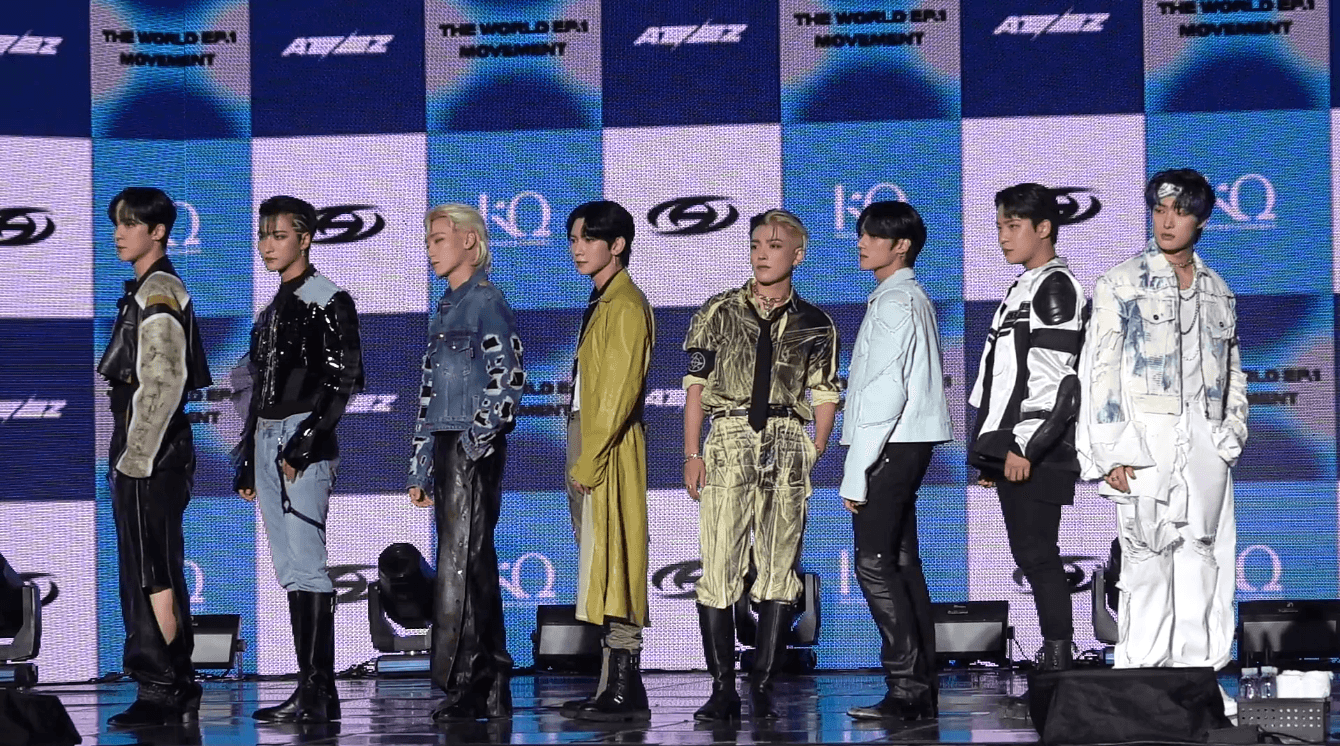
In English, a comeback implies an absence. Someone stopped, and now they have returned. Korean pop uses 컴백 (keombaek), a direct loan of the English word, to mean something much closer to “new release cycle beginning now.” The gap between those two senses is why a group that released an album in March can be described as making a comeback in September, and why English-language coverage keeps making that sound more dramatic than it is.
Where the Korean usage diverges
The English word carries a narrative: decline, then return. The Korean industry usage carries a calendar. A comeback is the point at which an artist re-enters active promotion — appearing on music shows, releasing a title track, running a press cycle. The relevant question is not “were they gone?” but “are they promoting again?”
There is a second, older sense that does match English. When an artist returns after military service, a long hiatus or a contract dispute, Korean coverage will also call it a comeback, and there the word carries weight. Both senses use the same term. Only the surrounding facts tell you which one is meant.
What counts as a comeback
A single, mini album or full album counts. A mini album (미니앨범, roughly the EP format) is the most common comeback vehicle for idol groups.
A repackage counts, usually. A repackaged album (리패키지, ripaekiji) re-releases an existing album with additional tracks and a new title track, and it gets its own promotion cycle, its own music-show stages and its own concept photos. Fans sometimes dispute whether this is a “real” comeback; the industry treats it as one.
A digital single counts if it is promoted. A digital-only release with a music video and music-show appearances is a comeback. One dropped without promotion generally is not.
An OST does not count. A song recorded for a drama soundtrack is credited to the drama’s release schedule, not the artist’s. It rarely comes with promotion, and several music shows exclude OSTs from their charts entirely.
Also outside the definition: featuring on another artist’s track, a live album or concert film, a re-recorded or remixed version without new promotion, and a Japanese- or English-language version of an existing release.
The cycle, by phase
Announcement. A dated notice, usually a “coming soon” image posted to official channels. This fixes the release date and starts the countdown.
Teasers and concept photos. Individual and group images released over several days, often in multiple “versions.” This is where the concept — the visual and thematic frame for the release — becomes public.
Tracklist and highlight medley. The tracklist names the title track (타이틀곡, taiteulgok), the song that will be promoted. The highlight medley is a short audio preview of every track in sequence.
Release and showcase. The album and music video drop, commonly at 6pm KST. A 컴백쇼케이스 (keombaek syokeiseu, comeback showcase) is a live launch event with performances and press questions.
Music-show promotions. Roughly two to four weeks of stages across the weekly programs. This is the visible core of the cycle.
Final stage. The last scheduled performance, after which the artist stops promoting. Korean coverage may call this 종방 (jongbang) in a broadcast context or describe 활동 종료 (hwaldong jongnyo), the end of activities for that release.
Comeback, debut, return, solo, unit
These are not interchangeable. A debut (데뷔, debwi) is a first release; an artist debuts once. A comeback is any subsequent promotion cycle. A return from hiatus or military service is a comeback in the English sense as well, and the coverage will normally say so explicitly. A solo comeback is one member releasing under their own name while the group continues. A unit comeback is a fixed subgroup releasing together. A group can be inactive as a group while three of its members are having comebacks.
Words that travel badly
활동 (hwaldong) literally means “activities,” and 앨범 활동 (aelbeom hwaldong) is the promotion period for an album — not the album itself. Translated as “album activity” it reads oddly; “promotion cycle” is closer. 활동 종료 means the promotion period has ended, and it is routinely misread in English posts as a group disbanding or a member leaving. It means neither.
Seoul Current will keep the word “comeback” where it reflects settled industry usage, but headlines will say what is actually happening: a new single, a first album in two years, or a first release since military discharge. The specific fact carries more information than the borrowed term.