
A BTS-themed Seoul trip works best when it is built around public places, official tourism references and easy transit. The goal is not to chase private addresses or old rumors. The better plan is to visit places that are already open to ordinary travelers, then add one K-pop district where shopping, photos and cafes are close together.
Seoul Metropolitan Government has promoted a BTS pilgrimage map for fans, and Korea Tourism Organization lists a Seoul BTS travel course that includes places such as Gyeongbokgung, Korea House, Nodeul Island and Seokchon Lake. Use those official references as the base, then adjust the day around your hotel, weather and energy.
Start with Gyeongbokgung
Gyeongbokgung is the strongest first stop because it gives the route a real Seoul landmark, not just a fandom checklist. BTS performed at Gyeongbokgung during international broadcast stages, and the palace also works for first-time visitors who want history, photos and a clear sense of place.
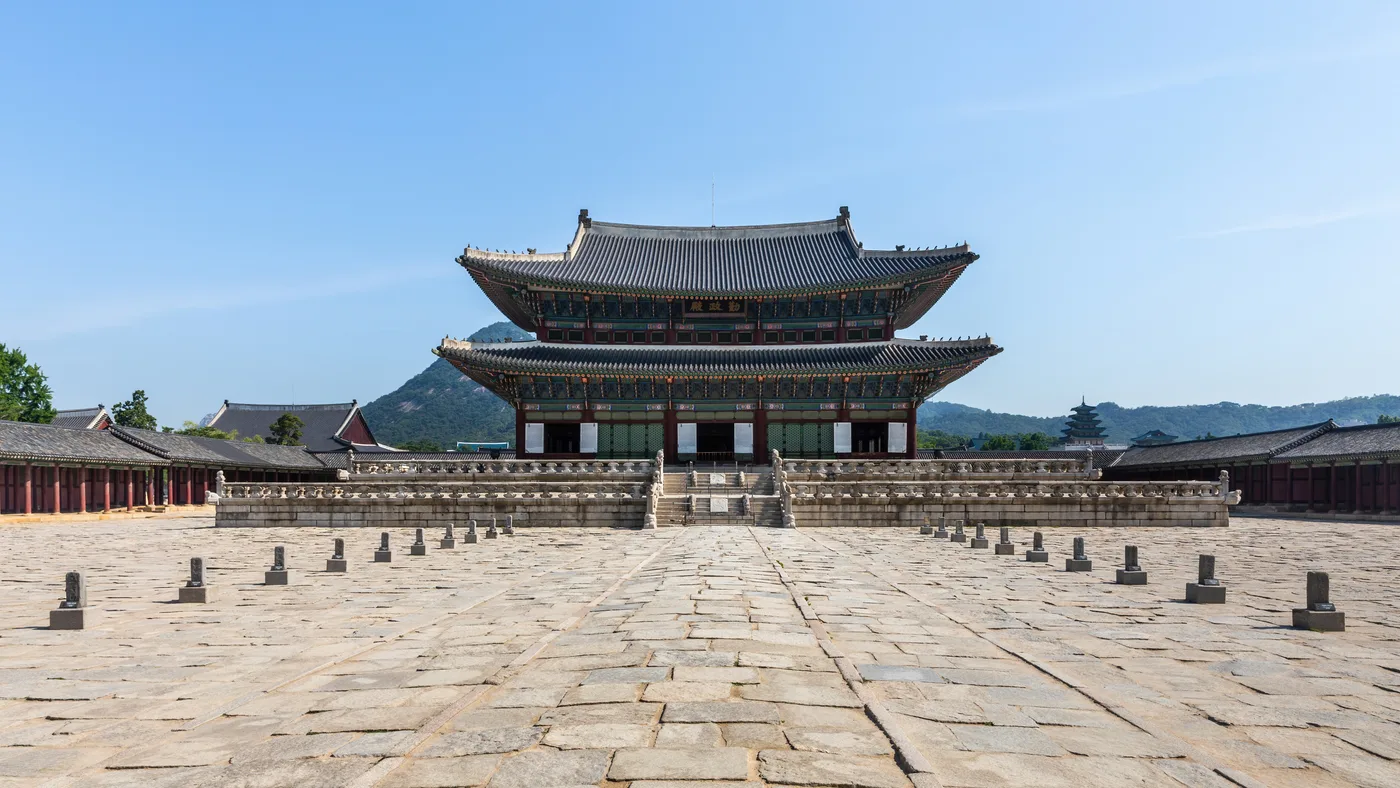
Practical map search: save Gyeongbokgung Palace before leaving. If you are wearing hanbok or trying to catch the changing of the guard, check official hours on the day because palace operations can change for events and weather.
Add Korea House if you want a culture stop
Korea House appears in official BTS-related tourism references and is easier to treat as a cultural stop than as a quick photo check. It is near Chungmuro, so it can connect with Myeongdong, Namsan or central Seoul without forcing a long detour.
This is the kind of place that works better for travelers who want a slower itinerary: Korean food, traditional performance context and a calmer atmosphere than the busiest shopping areas. If your schedule is tight, choose either Korea House or a later K-pop district, not both.
Map search: Korea House.
Move to Nodeul Island for a Han River break
Nodeul Island is a useful fan route stop because it gives the day a Han River reset. It has appeared in BTS-related tourism lists, but even without that context it works as a breathing space between palace/city stops and later shopping.
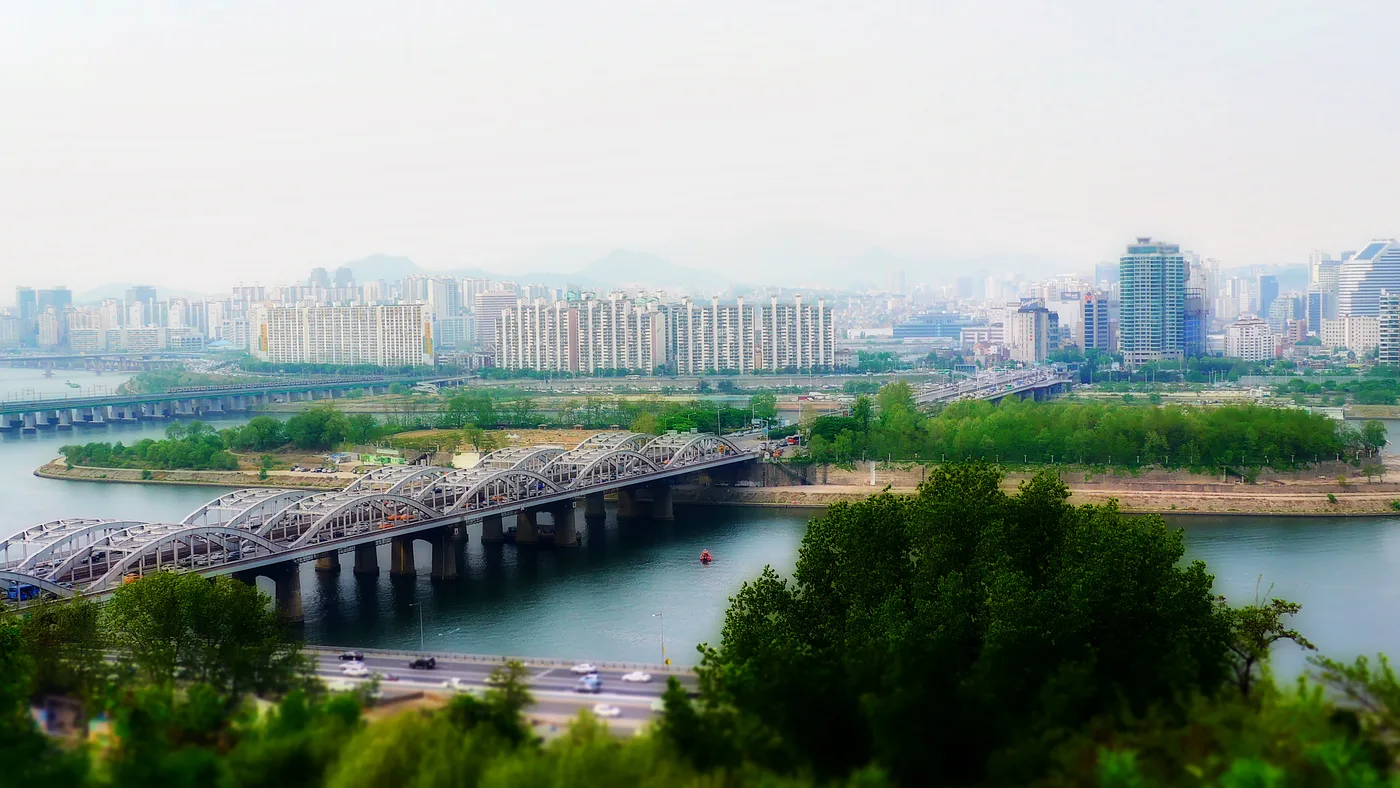
If the weather is good, Nodeul Island is a better mid-route stop than another indoor shop. If it is raining, skip it and save your energy for a district with cafes and stores.
Map search: Nodeul Island.
Use Seokchon Lake for a softer fan stop
Seokchon Lake is useful because it connects a BTS-related Seoul course with an easy tourist area. You can pair it with Jamsil, Lotte World Tower or a relaxed evening walk, which makes it less fragile than a route that depends on a temporary pop-up.
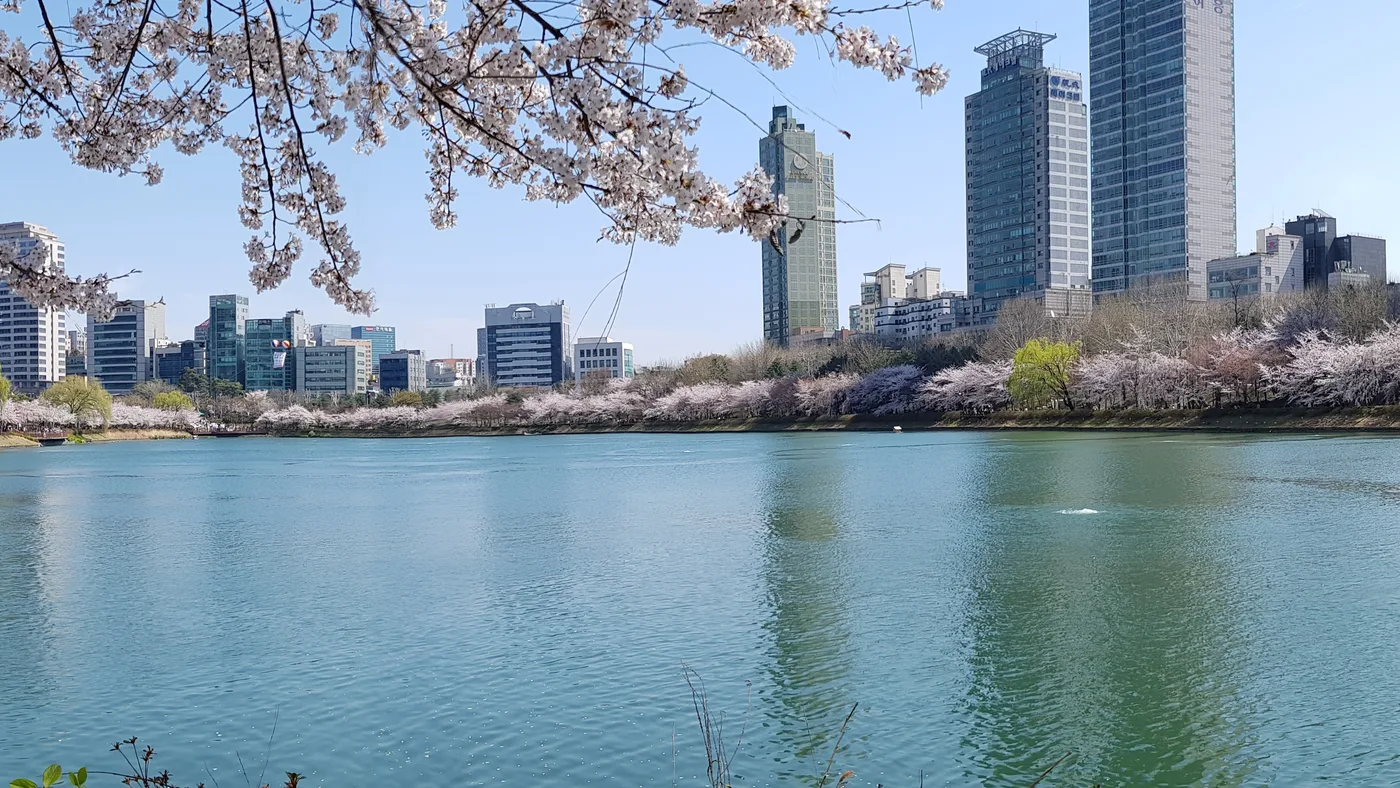
Spring is the obvious photo season, but the lake still works outside cherry-blossom weeks because the walking path and nearby shopping are simple for overseas visitors.
Map search: Seokchon Lake.
Add one K-pop district, not three
After the BTS-related public stops, choose one K-pop district based on your mood. K-Star Road in Gangnam is best if you want an obvious K-pop photo route. Hongdae is better if you want album shops, street fashion, photo booths and an evening atmosphere. Seongsu works when pop-ups or brand events are active, but it changes too quickly to rely on without checking the same week.
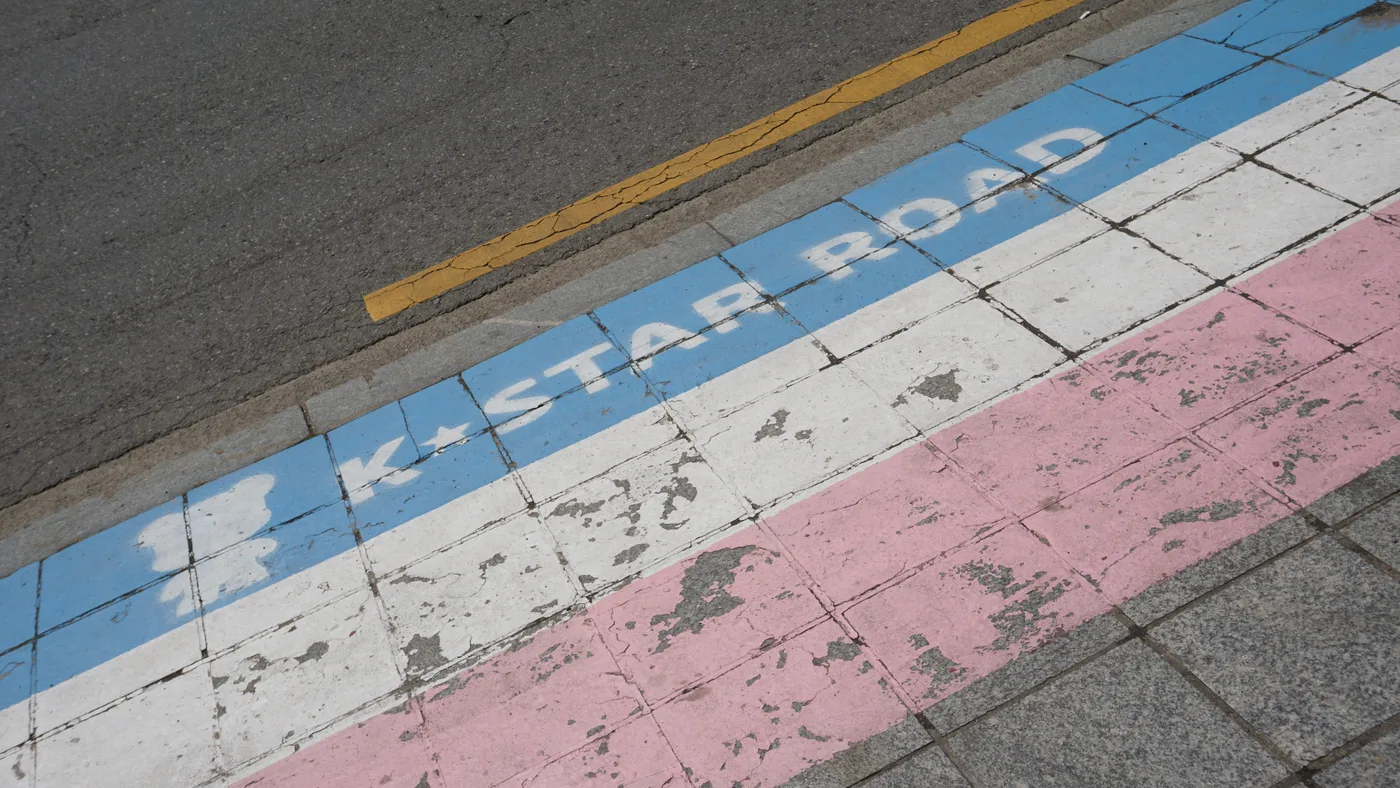
For most visitors, one district is enough. A good fan trip should still leave time to eat, rest and enjoy the city instead of racing between names.
A simple BTS Seoul route
Use this as a realistic order:
- Morning: Gyeongbokgung
- Late morning or lunch: Korea House or nearby central Seoul
- Afternoon: Nodeul Island or Seokchon Lake
- Evening: K-Star Road, Hongdae or another K-pop district
If you are on your first day after arrival, cut this down to two major stops. If you are already comfortable with Seoul transit, add one extra district. The best version depends less on checking every BTS-related name and more on making the day feel possible.
What to avoid
Avoid private homes, unverified “member sighting” routes and places where fans could disturb residents or businesses. Stick to public landmarks, official tourism references, museums, parks, shopping districts and clearly open cultural venues.
That approach is better for everyone: safer for travelers, more respectful to artists and locals, and easier to update when tourism information changes.


.jpg)

.jpg)