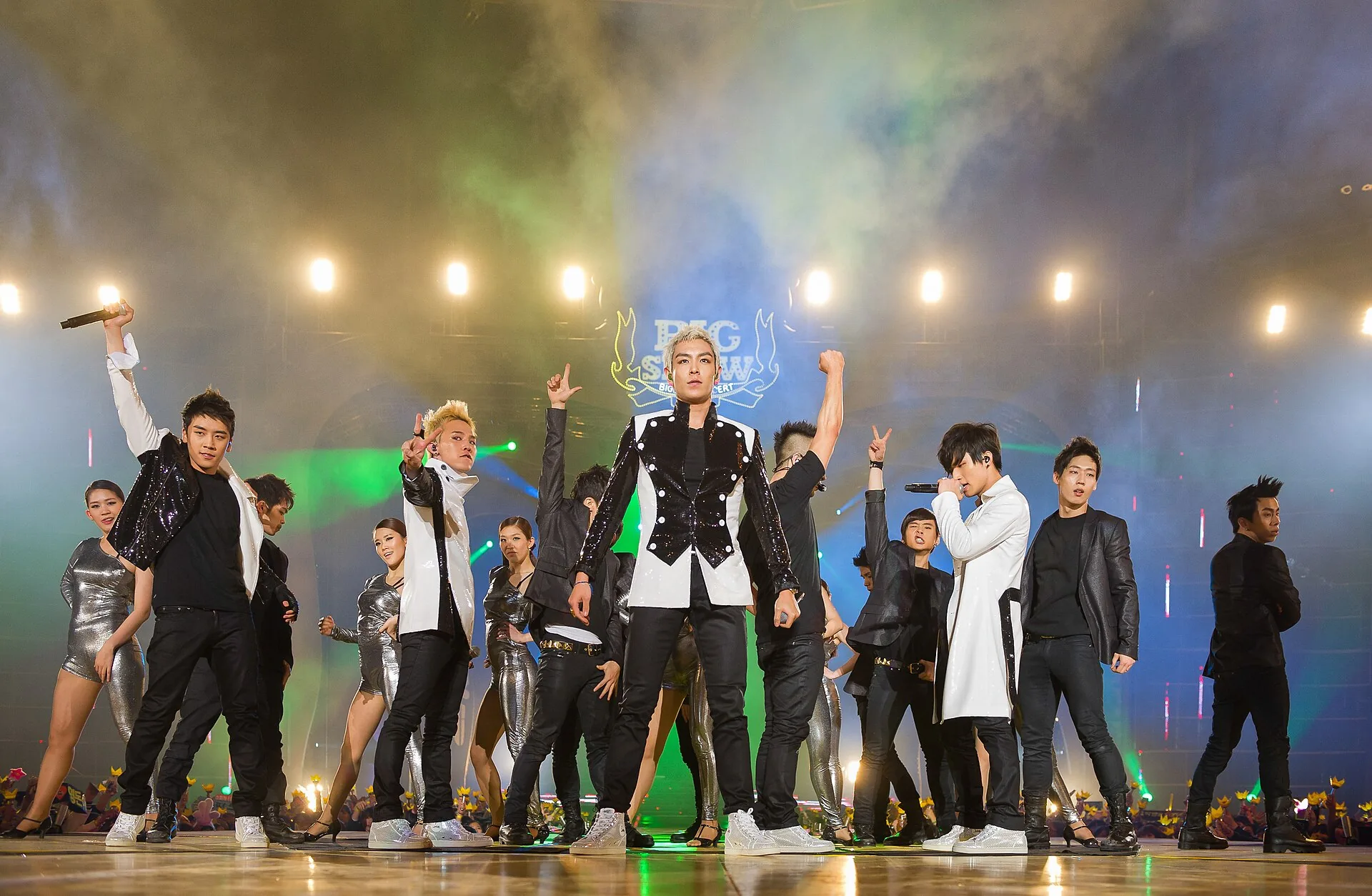
LE SSERAFIM’s second world tour, “PUREFLOW,” began with two Incheon concerts on July 11 and 12. The announced route covers 23 cities and 32 shows across Asia, North America and Europe. Japan receives the densest single-country run: 11 performances across five cities.
Japan dates, venues and start times
- Osaka-jō Hall, Osaka: July 25 (16:00 doors / 18:00 start) and July 26 (14:00 / 16:00)
- K-Arena Yokohama, Kanagawa: July 30 (16:30 / 18:30), August 1 (16:00 / 18:00) and August 2 (14:00 / 16:00)
- Ecopa Arena, Shizuoka: August 8 and 9 (16:00 / 18:00)
- Sekisui Heim Super Arena, Miyagi: August 18 and 19 (16:00 / 18:00)
- Marine Messe Fukuoka Hall A, Fukuoka: September 2 and 3 (16:30 / 18:30)
The Sunday performances in Osaka and Yokohama start two hours earlier than the Saturday shows. That is the single most common travel mistake on this leg: a same-day return booked against a mental 18:00 start will be wrong by two hours on July 26 and August 2. The times above are the official announcement’s; the times printed on your ticket govern.
The announced reserved-seat price is ¥16,500 including tax. The FEARNOT Membership-only VIP upgrade brings the total to ¥27,500, combining the reserved ticket with an ¥11,000 upgrade. Platform handling fees are additional. In Osaka only, the official notice also lists restricted-view reserved seats — mikire seats, where the stage, parts of the staging or members may be hard to see — sold at the same ¥16,500 price, with no refund on sightline grounds.
Why Japanese ticketing surprises overseas fans
Japanese concert tickets are not usually sold first-come, first-served. They are allocated through a ladder of lotteries.
The first rung is the 先行抽選受付 (senkō chūsen uketsuke), an advance lottery open to fan-club members. For this tour, FEARNOT Membership (JP) applications ran from April 28 to May 6, 2026, with results and the payment window from May 15 to May 20. The official notice is explicit that every applicant inside the window enters a fair draw — applying early confers no advantage, and applying late confers none either, as long as you are inside the period.
The second rung is a ticket-agency presale. Lawson Ticket ran an L’encore cardholder lottery and a “pre-request” lottery from May 22 to June 1, 2026. Only after those rungs is there a 一般販売 (ippan hanbai), the general sale, which is genuinely first-come and is where remaining inventory surfaces.
Three further mechanics catch international buyers:
- You pay after you win. Losing a lottery costs nothing; winning creates an obligation. Miss the payment window and the seat is released. The official notice states that applications cannot be cancelled or refunded once the window closes.
- Collection is physical. Many Japanese tickets are still collected from a convenience-store terminal or issued as an electronic ticket tied to the purchaser’s account. Neither travels well if you are arriving from overseas the day of the show.
- Names are matched. Promoters increasingly run 本人確認 (identity verification) at the door, checking photo ID against the registered purchaser.
Resale is a legal question, not a preference
Japan’s Act on Ensuring the Proper Distribution of Show and Event Tickets, enacted in December 2018, prohibits both the for-profit resale of a “specified” ticket above its original price without the promoter’s consent and the acquisition of such tickets for that purpose. Penalties run to imprisonment of up to one year, a fine of up to one million yen, or both.
The word “specified” is the part worth understanding. Under the Act, a ticket qualifies when the promoter has clearly stated the resale prohibition, the event has a fixed date, time and place with either a named eligible attendee or a reserved seat, and the promoter records the purchaser’s name and contact details. That is exactly the shape of a K-pop arena ticket in Japan — which is why the name on the booking matters and why a ticket bought from a stranger can fail at the gate rather than merely be frowned upon.
The legitimate route for a ticket you cannot use is an official resale service run by the promoter or agency, which transfers the registration rather than the paper.
Reading the venue tier
Japan’s live circuit is a recognised ladder: domes at roughly 40,000–55,000, arenas at roughly 10,000–30,000, halls at 2,000–5,000, and live houses below that. All five PUREFLOW venues sit in the arena band — Osaka-jō Hall is about 16,000, and K-Arena Yokohama is the largest room on this leg.
One naming trap: “Marine Messe Fukuoka Hall A” is not a hall in the tier sense. It is an arena-scale room whose English name uses “hall” for the building’s exhibition halls. The same applies to Osaka-jō Hall. Judge the tier by capacity, not by the word.
What has not been announced
The organiser notes that performers, opening times and program details can change, with no compensation. Tickets generally cannot be cancelled because a buyer’s plans change. Children aged three and over need a ticket; under-threes are not admitted.
Beyond that, current availability is the thing this article cannot tell you. Whether general-sale seats, production-release seats or an official resale listing exist today is a live question answered only by the Japanese official site and the authorised ticketing page — not by a screenshot, a resale post, or a search-result snippet.